Consistent AI character images: why most companions have ten faces
Why AI companion images look like a different person every time, how identity anchors fix visual drift, and what to check before trusting a platform’s image generation.
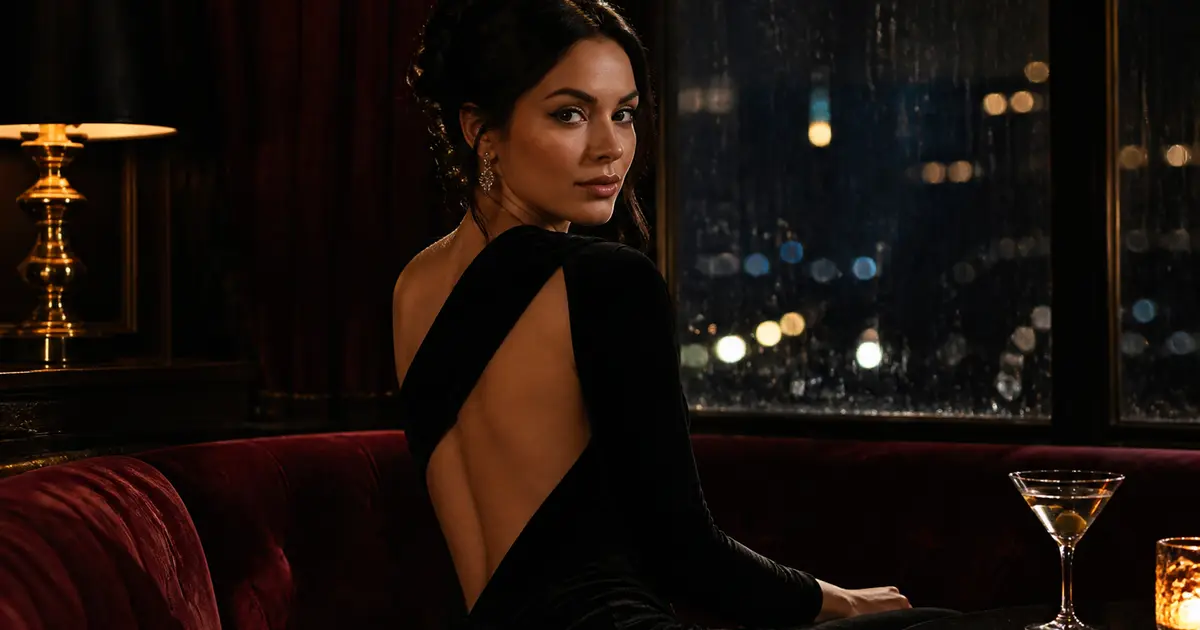
Ask an AI companion app for ten pictures of "your" companion and, on most platforms, you get ten similar strangers — same hair color, same description, different person. This guide explains why visual drift happens, why it quietly kills attachment, and how identity-anchored generation fixes it.
Why drift happens
Most platforms generate images from a text description: "woman, dark hair, green eyes, freckles." A diffusion model can satisfy that description millions of ways, and each generation samples a new one. The description is a net, not an identity — everything the text does not pin down (face geometry, expression habits, the exact freckle map) is re-rolled every time. More prompt detail helps less than you would expect; language simply cannot specify a face.
Why it matters more than image quality
Attachment is recognition. The tenth image of the same person deepens familiarity; the tenth similar stranger resets it. Users feel this even when they cannot name it — the companion starts to feel like a casting call rather than a character. For story platforms it is worse: a scene image that does not look like the character contradicts the story it is supposed to illustrate.
How identity anchoring works
The fix is to stop describing and start referencing. An identity anchor is a fixed visual reference — approved reference imagery plus the character's canonical attributes — that every generation is conditioned on. The prompt then controls the scene (setting, outfit, mood) while the anchor controls the person. On Lusto, every character has a reviewed identity anchor bound to their published version, and all image and video generation runs against it. Consistency is structural, not a lucky seed.
The provenance side
Anchoring has a second benefit most platforms ignore: provenance. Because every Lusto image is generated against a specific reviewed identity and character version, the platform can verify what an image is of — which is what makes it possible to ban real-person impersonation and keep generated media inside the story's consent boundaries. Uncontrolled generators cannot make that guarantee.
What to check on any platform
- The ten-image test. Generate several images of the same character. Same person, or same description?
- Does the platform bind images to a character identity, or is each image a fresh prompt?
- Scene control. Can you change setting and mood while the face stays fixed? That separation is the tell of real anchoring.
- Provenance policy. Can the platform stop its generator being used to imitate real people? If it cannot say how, it cannot.
Consistency across media
The same principle extends beyond stills: video scenes and voice need anchored identities too, or the character fractures across media. Lusto binds all three — visual identity, voice identity, and the written character — to the same reviewed version, so the person you read, see, and hear is one person.
See it in practice: pick any character, run a story, and generate scenes as it unfolds. The story is free to start; scenes are metered in Sparks with prices shown up front.